Wild Camping In The UK
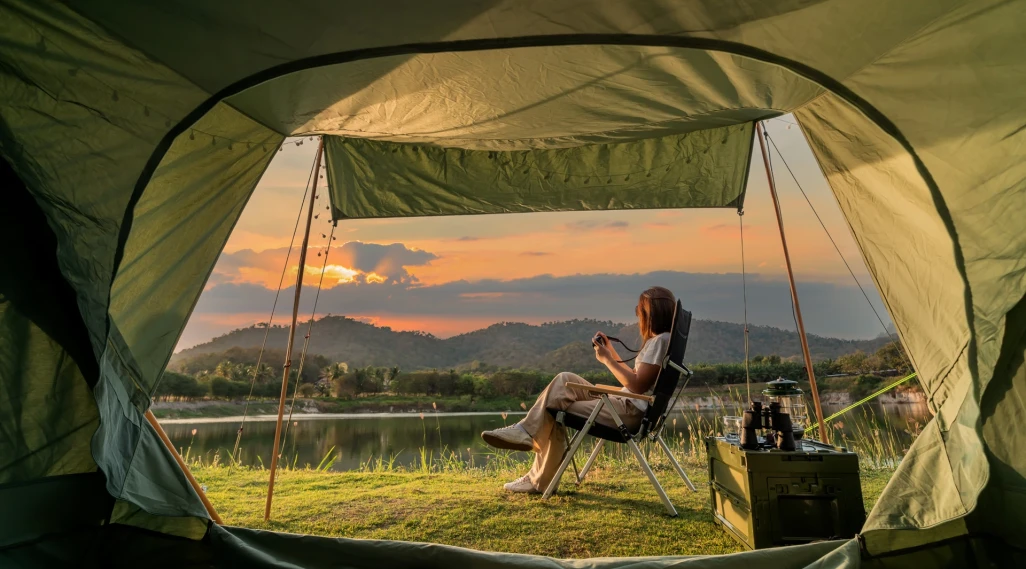
The term wild camping is interpreted differently in the UK, depending on where you are and what type of camping you are doing. Broadly speaking, wild camping is pitching up your tent, or parking your caravan or motorhome, free of charge, in a remote and picturesque location, with few facilities available aside from the ones you have taken with you. Wild camping in the UK offers the best of both worlds if you are taking your RV. You can experience the thrill of uncertainty and freedom but also have the comfort of all your facilities on board. UK Wild camping areas are often not easy to find and this can be part of the excitement for many. When looking for wild camping sites in the UK you must bear in mind that it is illegal in some areas and not all wild campsites are accessible by vehicles.
Wild camping in the UK - different rules
A lot of areas in the UK, particularly England and Wales do not permit wild camping at all. Many wild camping enthusiasts are still trying to convince some local councils of the idea. However, other parts of the British Isles offer an abundance of wild camping locations.
-
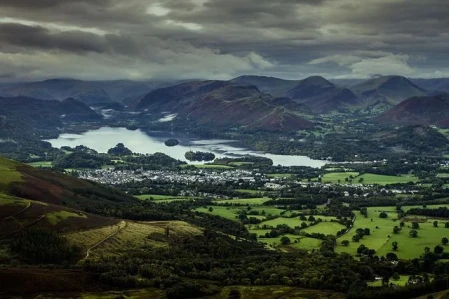
- In England and Wales, wild camping is illegal but in some areas, particularly if you are out of sight it is tolerated, but don’t bank on this. It is always worth seeking permission beforehand where possible. Avoid National Parks and forestry commission areas. The Lake District, Snowdonia, Dartmoor and some areas in the South Downs do allow wild camping
- Scotland is one of the best places for wild camping in the UK as the laws are different. Here, it is legal but you should still observe the rules, e.g. remember not to set up camp too close to roads or peoples’ homes. These guidelines are stated in the Land Reform Act 2003. Some recommended areas include The Cairngorms, Loch Lomond and the Highlands
- In both Northern and Southern Ireland there are a number of wild camping areas available in remote locations mainly because there are fewer campsites available. Again, it is not legal but is tolerated in some parts
Some wild camping rules
-
-
- Try not to go on agricultural land
- Keep noise levels to a minimum
- Be respectful of the land – do not dump waste
- Don’t overstay your welcome. The general rule for wild camping should be pitch up late – leave early
- Lighting fires may add to the charm but it could cause problems with locals if there are restrictions on this
- Take midgey spray, they are particularly prevalent in upper land areas
-
Looking For Motorhomes For Sale?
Travelworld Motorhomes are one of the UK's largest dealers of new and used motorhomes for sale. Why not take a look at our range of European and American motorhomes for sale.
Frequently Asked Questions About Wild Camping in a Motorhome
Is it legal to sleep overnight in a layby in the UK?
There's no specific law that makes it illegal to sleep in a vehicle at a layby, but it exists in a legal grey area rather than being an explicit right. Local bylaws, Traffic Regulation Orders and “no overnight parking” signage can make a specific layby off-limits, and enforcement varies by council. Treat a layby as a short, considerate overnight stop rather than a campsite - don't put out chairs, awnings or barbecues - and always check for local signage first.
Can I park and sleep in my motorhome or campervan anywhere in the UK?
No - all land in the UK is owned by someone, so parking and sleeping “anywhere” isn't a legal right. On the public highway (including laybys and many car parks), there's generally no specific law against sleeping in your vehicle unless signage or a Traffic Regulation Order says otherwise, but on private land you need the landowner's permission. Scotland's “right to roam” under the Land Reform Act does not extend to motorised vehicles, so the same caution applies there too.
Is it illegal to sleep in a campervan on a public road or residential street?
Not automatically - but many residential streets are covered by parking restrictions, resident permit schemes or Traffic Regulation Orders that specifically prohibit overnight stays or “camping” in a vehicle, and some housing developments have restrictive covenants against parking large vehicles. If in doubt, check local signage or your council's parking rules before staying overnight on a residential street.
Can I sleep in my motorhome on my own driveway, or park it outside my house long-term?
Generally yes, on your own driveway or private land, provided your property deeds or any leasehold agreement don't contain a restrictive covenant against it. Parking a motorhome on the street outside your house is usually fine for reasonable periods, subject to any local parking restrictions, but leaving it in the same spot on a public road for an extended, continuous period can attract council attention in some areas.
Can I park a motorhome or campervan overnight in a supermarket car park?
Only with the landowner's permission, whether that's explicit or reasonably implied. Most supermarket car parks are private land with signage limiting stays to a few hours and prohibiting overnight parking or “camping” - overstaying can result in a parking charge notice from a private parking enforcement company, even though it isn't a criminal offence.
Can I sleep in a motorhome at a motorway service station?
Motorway services are designed for short breaks rather than overnight stays, and most have signage or time-limited parking that discourages or prohibits sleeping overnight. Some services do tolerate a short rest stop if you're too tired to drive safely, but you shouldn't treat a service station as a planned overnight stop.
Can I park my motorhome on my own land in the UK?
Yes, in most cases - as the landowner (or with the landowner's permission), you're generally free to park and stay in a motorhome on your own land, though local planning rules can apply if you intend to live there permanently or place the vehicle in one fixed spot indefinitely rather than using it as a genuine, movable vehicle.
Can passengers sleep or move around in a motorhome while it's being driven?
For safety, every passenger should be seated and belted while the vehicle is moving - most modern motorhomes only have forward-facing seatbelts fitted in the cab and dinette area for use while travelling, and moving around, using the toilet, or lying down in the living area while the vehicle is in motion isn't safe practice, regardless of the exact legal position.
How much does it cost to park a motorhome on a campsite?
Campsite prices vary hugely depending on location, season, facilities and hook-up availability - typically from around £15–£20 a night for a basic site up to £40–£50+ a night for a premium coastal or peak-season pitch with full services. Certified Locations (small, simple sites) tend to be cheaper, at roughly £10–£18 a night.