Solar Panels for Motorhomes: Practical Advice & Kit Guide
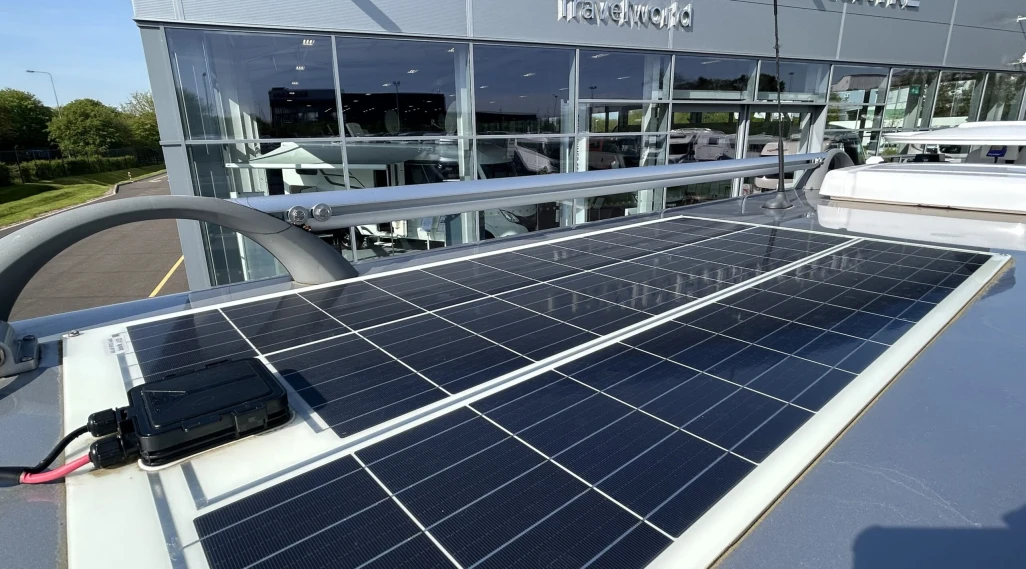
Solar panels are an efficient way to save money on a nightly electrical connection and they are also a highly convenient way to ensure life on the road is as free as you want it to be.
As more people embrace off-grid adventures and sustainable touring, solar panels for motorhomes have become one of the most valuable upgrades for modern travellers. Reliable, silent, and eco-friendly, they allow you to power appliances, lights, and devices wherever your journey takes you – without depending on campsite hook-ups or noisy generators.
This guide explains how solar panels work, what types are available, and how to choose the right kit for your needs, with practical tips tailored for motorhome owners in the UK.
Why Install Solar Panels on Your Motorhome?
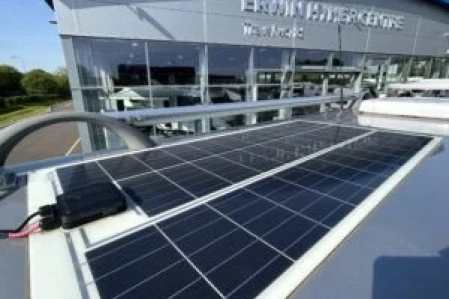
Motorhome solar panels capture energy from the sun and convert it into electrical power that can charge your leisure batteries. This stored energy can then run your lighting, fridge, water pump, phone chargers, and even entertainment systems – giving you the freedom to travel and park almost anywhere.
For UK motorhome owners, solar panels are especially useful for:
Off-grid touring – enjoy quiet independence away from mains connections.
Reducing fuel and generator use – fewer emissions and lower running costs.
Sustainable travel – rely on renewable energy to power your home on wheels.
Battery maintenance – solar trickle charging keeps your leisure batteries healthy even when your motorhome is in storage.
Tip: Even in cloudy weather, high-quality panels can generate a steady supply of energy throughout the year.
Understanding How Motorhome Solar Panels Work
A typical solar system includes three main components.
Solar panels – absorb sunlight and convert it into electrical current.
Charge controller – regulates voltage and prevents overcharging.
Leisure battery – stores the energy for later use.
The system is wired into your 12V electrical setup, providing clean, renewable power for daily use. Some owners also pair solar with lithium batteries and inverters to support higher-demand devices such as microwaves or hairdryers.
Choosing the Right Solar Panel Kit
Selecting the correct system depends on how and where you travel, as well as how much power you typically consume.
Panel Types
Monocrystalline panels: More efficient and compact, ideal for smaller roofs or year-round use.
Polycrystalline panels: Slightly cheaper but less efficient in low light.
Flexible panels: Lightweight and easy to install on curved roofs, though they may have a shorter lifespan.
Sizing Your Solar Setup
To estimate what you need:
Weekend travellers may manage with 100–150W of solar.
Long-term or off-grid explorers typically require 300–400W or more.
Consider both battery size (Ah) and daily consumption (Wh).
A professional installation can help calculate the correct balance between power generation, storage, and weight.
Installation Tips & UK-Specific Considerations
Roof Space and Shading
Make sure panels are positioned where they’ll receive maximum sunlight throughout the day. Even a small shadow from a roof vent or satellite dish can reduce output significantly.
Charge Controllers
Modern MPPT (Maximum Power Point Tracking) controllers are more efficient than older PWM types, delivering up to 30% more usable energy. They’re well worth the investment for UK conditions, where light levels vary.
Cable and Connection Quality
Use high-quality cables with minimal voltage drop. Check regularly for corrosion or loose connectors, especially after long trips or storage periods.
Maintenance & Cleaning
Solar panels are largely maintenance-free, but occasional cleaning helps maintain performance. Wipe gently with a microfibre cloth and mild detergent to remove dust or bird droppings. Avoid pressure washers or abrasive pads.
For related care guidance, see our motorhome water systems article.
How Much Power Can Solar Panels Generate?
Solar efficiency depends on daylight hours, season, and angle of installation. During summer, a 200W system can often keep lights, fridge, and pumps running comfortably. In winter, expect lower performance – roughly 25–40% of summer output.
Pairing solar panels with efficient LED lighting, good insulation, and mindful energy use will help extend your power reserves during shorter, cloudier days.
Cost, Value & Off-Grid Benefits
Solar kits vary in price based on size and quality.
Entry-level 100W kits: around £250–£400 installed.
Larger 300W–400W systems: £600–£1,000+, including MPPT controller and cabling
While the upfront cost may seem high, solar power pays for itself through savings on site fees and generator fuel, especially for regular travellers. It also adds long-term value to your motorhome and supports a quieter, more sustainable travel experience.
Common Questions About Motorhome Solar Panels
Do solar panels work in the UK?
Yes – even on cloudy days, solar panels generate power through indirect sunlight. Performance will vary, but modern panels are efficient enough for year-round use.
Can I fit solar panels myself?
It’s possible if you’re confident with electrical systems, but professional fitting ensures safe installation and optimal performance. Incorrect wiring or sealing can cause leaks or battery damage.
How long do motorhome solar panels last?
Most quality panels last 20 years or more, though performance gradually decreases over time. Charge controllers or batteries may require replacement after 5–10 years.
Discover Solar-Ready Motorhomes with Travelworld
Solar panels are one of the smartest upgrades you can make to your motorhome. They offer independence, efficiency, and peace of mind – helping you enjoy life on the road without worrying about power limits.
Whether you’re planning short weekend getaways or months of touring, investing in a reliable solar setup will enhance your comfort and reduce your carbon footprint.
At Erwin Hymer Centre Travelworld, our team can guide you through solar-ready models and installations.
Explore our latest motorhomes and discover how sustainable travel can transform your next adventure.