A Guide to Motorhome Wild Camping in the UK
But what is wild camping in a motorhome?
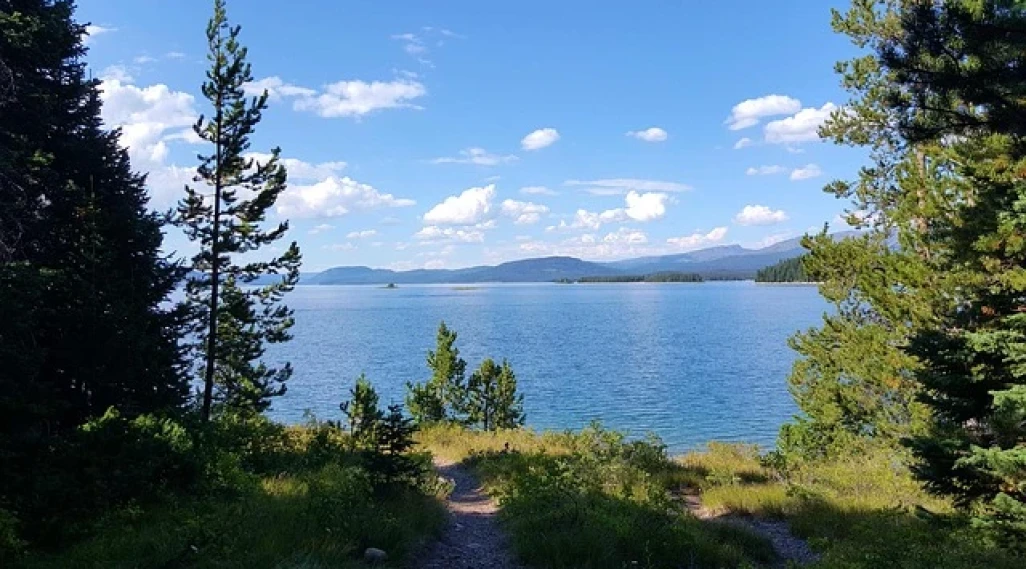
 Wild camping in a motorhome means staying overnight outside of designated campsites, often in remote or scenic spots. It’s a way to enjoy greater freedom, connect with nature, and experience places few others reach. While wild camping is more restricted in the UK compared to parts of Europe, with careful planning and respect for local rules, it can still be an unforgettable way to explore.An increasing number of owners love nothing more than going off-grid in search of the wild camping experience.Taking the plunge into wild camping may feel a little daunting but, with a little know-how and the right spirit, you too could sample the thrill of going off the beaten track.There are, of course, laws governing motorhome and camper van parking. It’s a complex area and beyond the scope of this article, but suffice to say that wild camping is generally simpler and more welcomed in Europe than in the UK.
Wild Camping for Motorhomes - What You Should Know to Get Started
As a motorhome or camper van owner, you are already familiar with the lifestyle and will understand the need for good preparation and discipline when planning to travel.You’ll have no electric hook-up, no water supply, no external toilets, or washrooms. So, what you bring is what you will be relying on.This applies to your gas too – Take a full(ish) gas cylinder, as you may not find a replacement. Refill systems are available, or be prepared to live on sandwiches!Similarly, with no mains back-up, your electric power supply relies on your leisure battery. Make sure this is in good order, or better still, invest in a second battery. Wild camping is never going to be luxurious – but it needn’t be akin to a Bushtucker Trial either. It involves some planning and, possibly, the odd sacrifice. But boy, in return, you can discover an exhilarating world of adventure and freedom, in locations beyond the reach of most. Did you know? Travelworld offers Motorhome Habitation Services that includes short gas and electrical checks, a full damp report, and a vehicle condition report.
Wild Camping Motorhome Checklist
Before heading off the beaten track, make sure you're well prepared with the following essentials.- Fully charged leisure battery – or carry a second for longer trips
- 12V appliances and USB charging options
- Torches or headlamps – especially useful when there’s no ambient light
- Full water tank – plus extra drinking water containers
- Waste disposal plan – including grey water and toilet cassette
- Plenty of food – shelf-stable meals and snacks are ideal
- Full gas cylinder – for cooking and heating, if needed
- Offline maps or sat nav – mobile signal can be patchy
- Rubbish bags – take everything with you, including food waste
- Toilet paper, hand sanitiser and biodegradable soap
- Window blinds or thermal covers for privacy and warmth
- Solar panels for longer off-grid stays
- Compact outdoor chairs and table (used respectfully)
Remember: Respect Your Environment
Generally speaking, wild camping in this country is not considered a right, yet if you are not part of a larger gathering and respectful of your environment, it is often tolerated. Just follow some basic rules:- Leave a minimal footprint. Don’t make a mess, clean up after yourself
- Be discreet. Don’t draw attention to yourself, in terms of noise (including music), smoke, large awnings and so on.
- Move on. Only stay in one spot overnight, then try somewhere new.
- Be considerate. Be mindful of gates and entrances and never restrict access for others.
- Obey all local bylaws, including parking regulations.
Ready to Start Your Own Wild Camping Adventure?
We’ve got your perfect vehicle to do so. Check out our latest new and used stock here.
Frequently Asked Questions About Motorhome Wild Camping in the UK
Is it legal to sleep overnight in a layby in the UK?
There's no specific law that makes it illegal to sleep in a vehicle at a layby, but it exists in a legal grey area rather than being an explicit right. Local bylaws, Traffic Regulation Orders and “no overnight parking” signage can make a specific layby off-limits, and enforcement varies by council. Treat a layby as a short, considerate overnight stop rather than a campsite - don't put out chairs, awnings or barbecues - and always check for local signage first.
Can I park and sleep in my motorhome or campervan anywhere in the UK?
No - all land in the UK is owned by someone, so parking and sleeping “anywhere” isn't a legal right. On the public highway (including laybys and many car parks), there's generally no specific law against sleeping in your vehicle unless signage or a Traffic Regulation Order says otherwise, but on private land you need the landowner's permission. Scotland's “right to roam” under the Land Reform Act does not extend to motorised vehicles, so the same caution applies there too.
Is it illegal to sleep in a campervan on a public road or residential street?
Not automatically - but many residential streets are covered by parking restrictions, resident permit schemes or Traffic Regulation Orders that specifically prohibit overnight stays or “camping” in a vehicle, and some housing developments have restrictive covenants against parking large vehicles. If in doubt, check local signage or your council's parking rules before staying overnight on a residential street.
Can I sleep in my motorhome on my own driveway, or park it outside my house long-term?
Generally yes, on your own driveway or private land, provided your property deeds or any leasehold agreement don't contain a restrictive covenant against it. Parking a motorhome on the street outside your house is usually fine for reasonable periods, subject to any local parking restrictions, but leaving it in the same spot on a public road for an extended, continuous period can attract council attention in some areas.
Can I park a motorhome or campervan overnight in a supermarket car park?
Only with the landowner's permission, whether that's explicit or reasonably implied. Most supermarket car parks are private land with signage limiting stays to a few hours and prohibiting overnight parking or “camping” - overstaying can result in a parking charge notice from a private parking enforcement company, even though it isn't a criminal offence.
Can I sleep in a motorhome at a motorway service station?
Motorway services are designed for short breaks rather than overnight stays, and most have signage or time-limited parking that discourages or prohibits sleeping overnight. Some services do tolerate a short rest stop if you're too tired to drive safely, but you shouldn't treat a service station as a planned overnight stop.
Can I park my motorhome on my own land in the UK?
Yes, in most cases - as the landowner (or with the landowner's permission), you're generally free to park and stay in a motorhome on your own land, though local planning rules can apply if you intend to live there permanently or place the vehicle in one fixed spot indefinitely rather than using it as a genuine, movable vehicle.
Can passengers sleep or move around in a motorhome while it's being driven?
For safety, every passenger should be seated and belted while the vehicle is moving - most modern motorhomes only have forward-facing seatbelts fitted in the cab and dinette area for use while travelling, and moving around, using the toilet, or lying down in the living area while the vehicle is in motion isn't safe practice, regardless of the exact legal position.
How much does it cost to park a motorhome on a campsite?
Campsite prices vary hugely depending on location, season, facilities and hook-up availability - typically from around £15–£20 a night for a basic site up to £40–£50+ a night for a premium coastal or peak-season pitch with full services. Certified Locations (small, simple sites) tend to be cheaper, at roughly £10–£18 a night.